
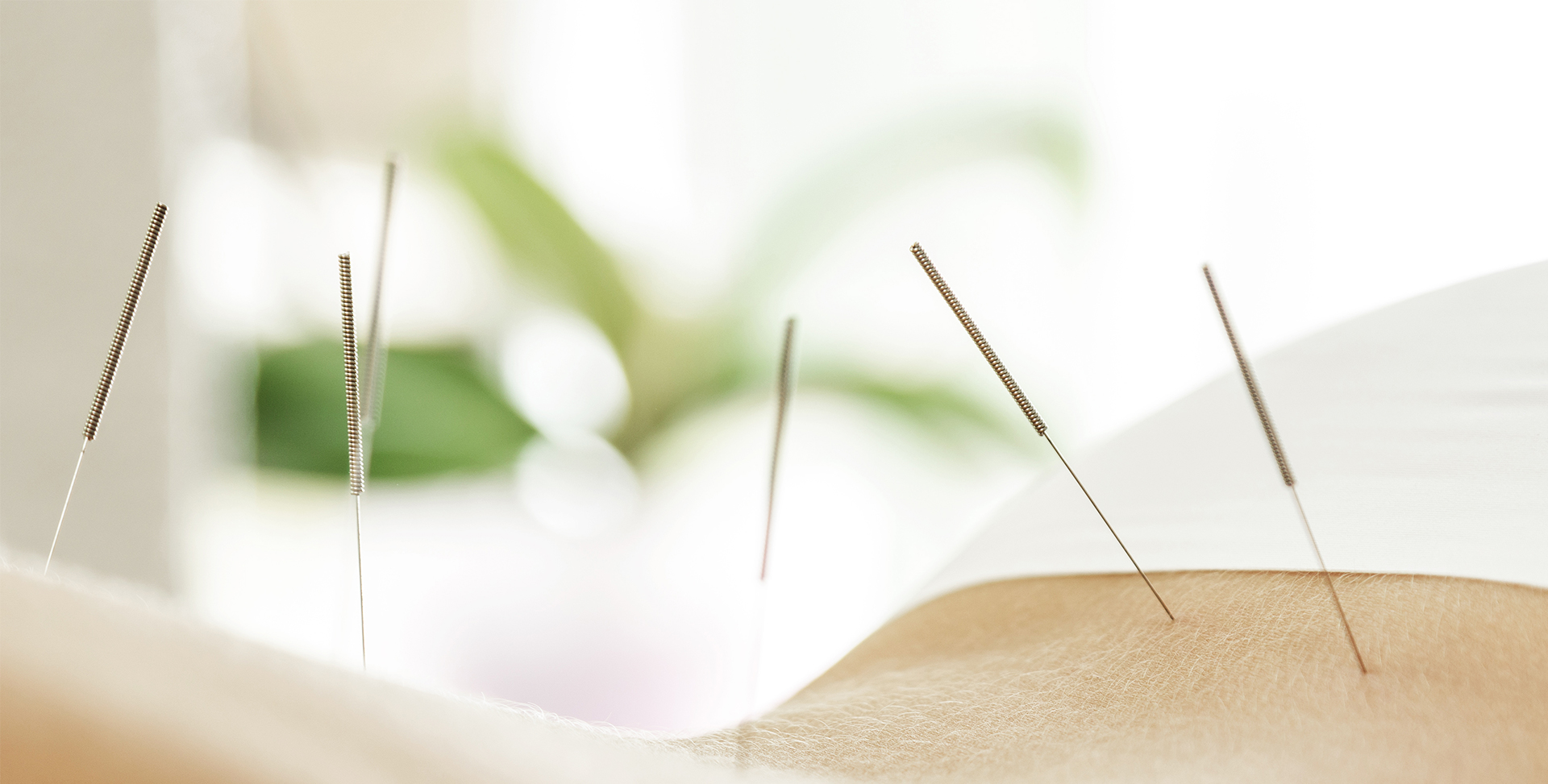
Acupuncture & Traditional Chinese Medicine
“The spirit and body are but two manifestations of Qi
when Qi disperses, it is spirit; when it condenses, it is matter.”
— Giovanni Maciocia
What Is Acupuncture?
Acupuncture is a form of traditional Chinese medicine that has been practiced for thousands of years.
It works by stimulating specific points on the body to support a balanced flow of energy and encourage the body’s natural healing response.
From a modern perspective, acupuncture can also influence the nervous system, circulation, and inflammation, helping the body move out of stress and into a more balanced state.
What Can Acupuncture Help With?
Acupuncture can be used to support a wide range of concerns, including:
• pain (acute or chronic)
• headaches and migraines
• digestive concerns
• hormonal imbalances
• stress, anxiety, and sleep disturbances
It is often used alongside other forms of care and can be a supportive addition to your overall treatment plan.
Traditional Chinese Medicine Philosophy (TCM)
Traditional Chinese medicine (TCM) principles are based on the fundamental concept that the physical, spiritual and emotional body are interconnected and governed by a network of energy called Qi (“chee”). As a result, Chinese medicine is holistic in nature and focuses on treating the flow of Qi within the individual rather than just the disease or symptom.
TCM focuses on the individual’s entire bodily pattern, looking at harmony or disharmony between body systems and the harmony between the body and the outside environment. Chinese medicine considers concepts of deficiency and excess, seeking to balance heat and cold, dry and damp, and ultimately, Yin and Yang within the body.
TCM chooses its point location based on a physical exam of the tongue and pulse, and evaluation of the individual’s energy channels called meridians.
This is unlike dry needling which only targets local pain and is commonly used by chiropractors and physical therapists.
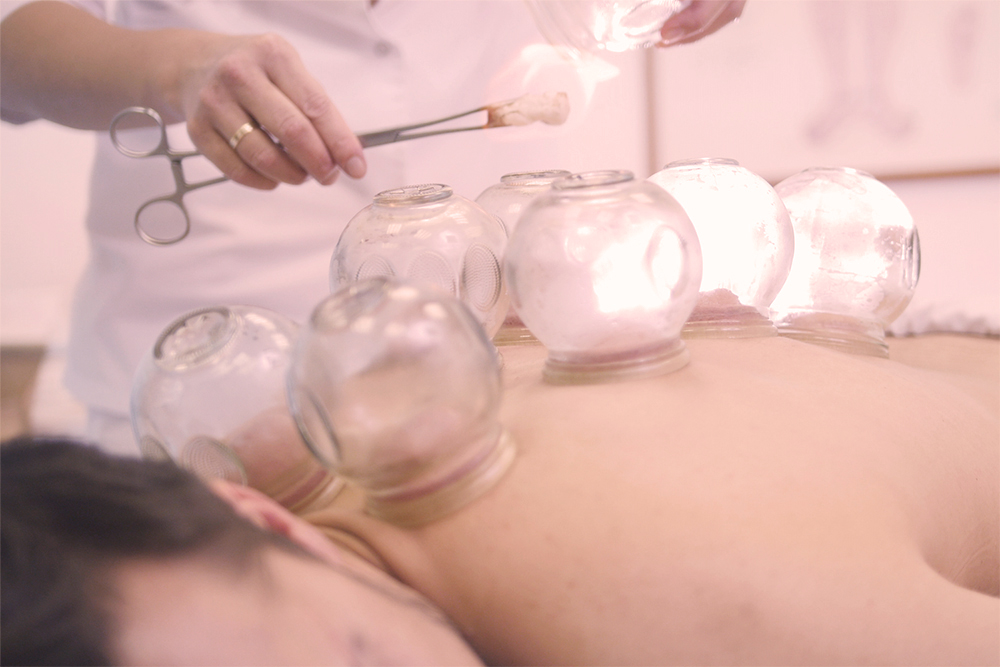
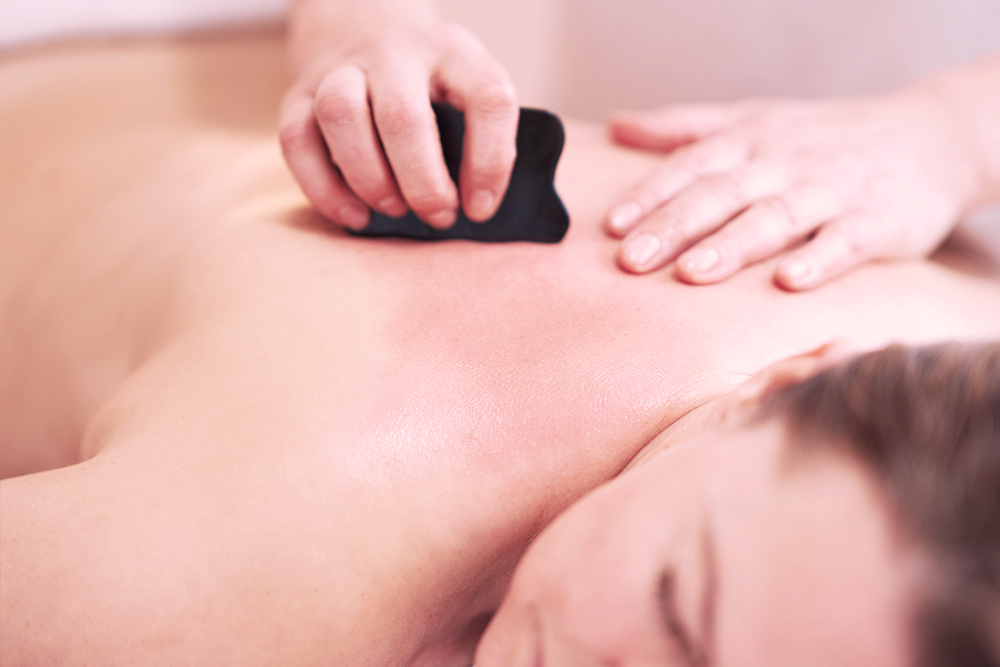
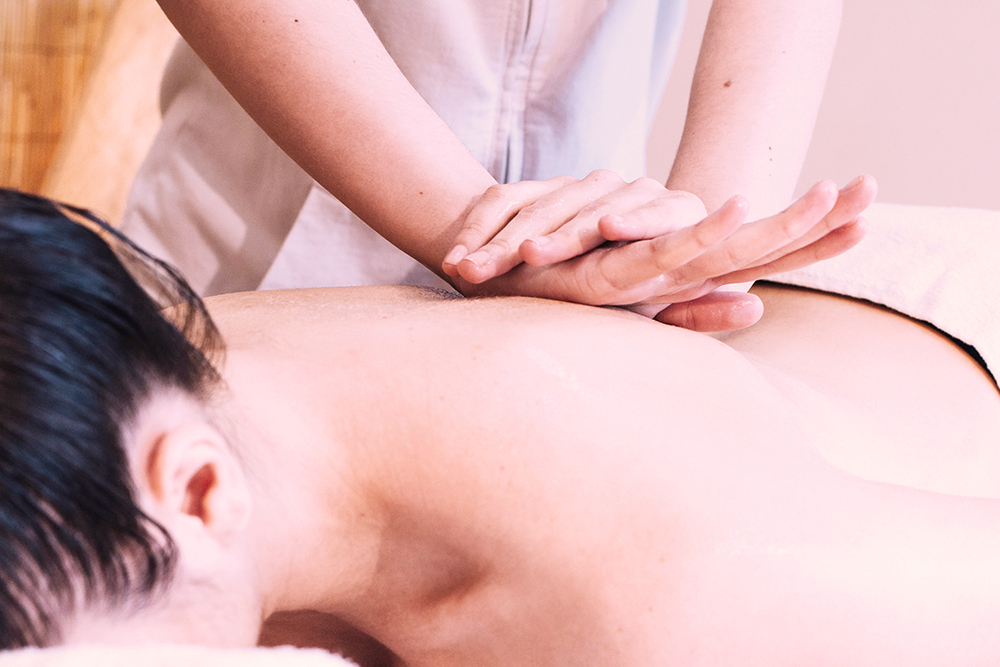
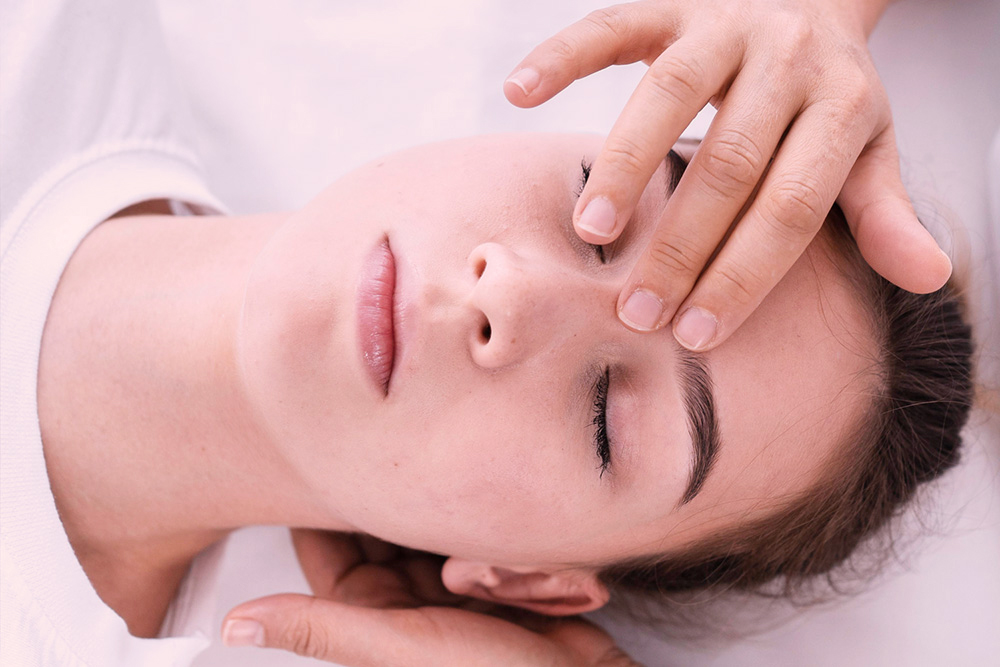
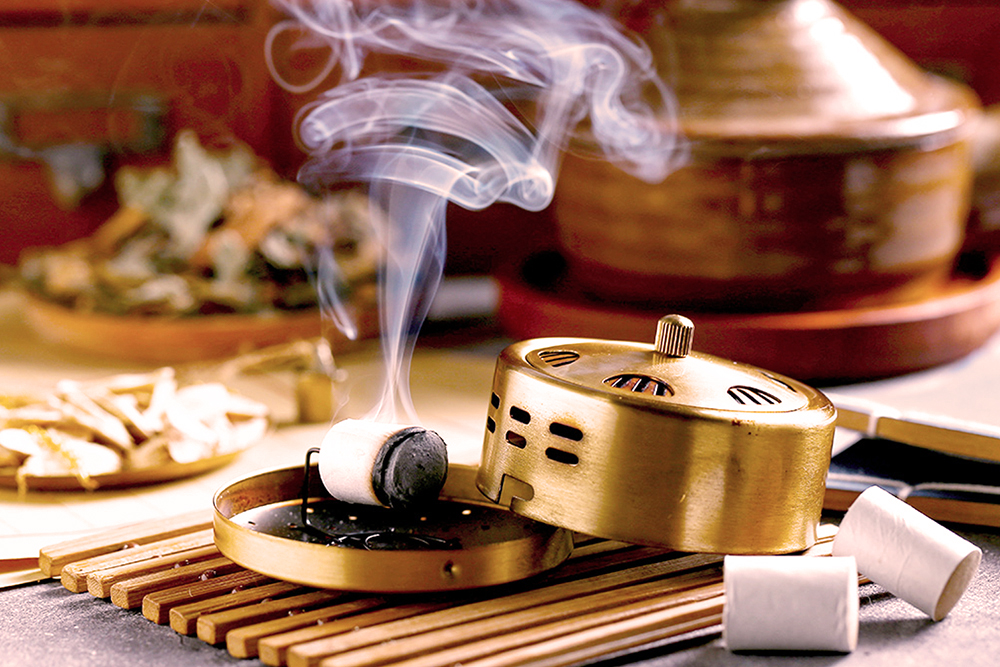
A Different Way of Supporting the Body
Acupuncture is not just about symptom relief, it’s about helping the body regulate and restore its natural balance.
Many people notice not only improvement in their main concern, but also shifts in sleep, mood, digestion, and overall sense of well-being.
It’s a subtle but powerful way of supporting the body as a whole.
What to Expect During a Visit
Your acupuncture visit is designed to feel calm and supportive.
We begin with a conversation to understand how you’ve been feeling, what’s been changing, and what your body may need that day. The tongue and pulse are examined as a physical exam before treatment.
Then, fine needles are gently placed at specific points on the body.
Most people experience little to no discomfort, and many find the treatment deeply relaxing.
You’ll then rest with the needles in place for 20-30 minutes, allowing your body to respond and rebalance according to the treatment.
How It May Feel
Experiences can vary, but many people report feeling:
• deeply relaxed
• lighter or more clear
• grounded in their body
Some notice immediate pain and symptom relief, while others experience more gradual shifts over time.
Both are part of the process.
Safety of Acupuncture
Acupuncture is a safe and well-tolerated treatment when performed by a trained practitioner.
Single-use, sterile needles are used, and treatments are tailored to your individual needs and comfort level.
Integrating Acupuncture Into Your Care
Acupuncture can be used on its own or alongside other treatments, depending on your goals and preferences.
For some, it becomes a regular part of maintaining balance and managing stress.
For others, it’s used more short-term to support a specific concern.
Your care is always individualized.
If you’re looking for a gentle, grounding way to support your whole-health, acupuncture can be a meaningful place to start.